EN 10219 Specifications and Size Charts for Structural Steel Tubes
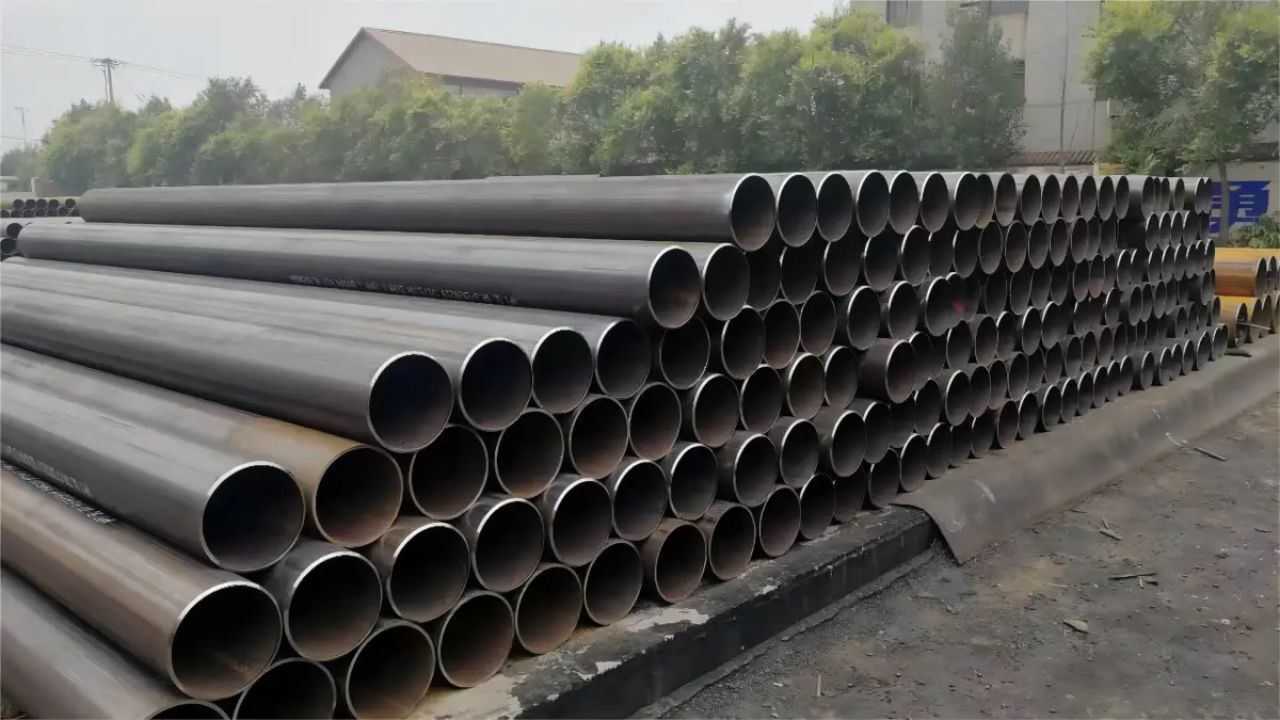
European Standard EN 10219 Specifications control cold-formed steel hollow sections used extensively in the construction of buildings, bridges, towers, industrial structures, etc. The standard specifies requirements on size, strength, chemical limits, and testing rules. The standard is usually accompanied by a size chart to aid the engineer in making a fast selection of the proper tube size. Information displayed as a combination of rules and tables can be used to minimize selection and design errors. Structural steel tubes are produced by suppliers such as PandaPipe in accordance with EN 10219, which serves as the reference for structural steel pipes used in various fields, per project requirements.
Purpose of EN 10219
The primary goal of EN 10219 is to establish the same requirements for steel tubes used in construction. It establishes standards for material strength and specifies the process for tube formation and testing. This ensures uniformity in product quality across manufacturers under the same standards. It also enables engineers to be confident that a tube will behave in a manner consistent with its intended use.
Cold-Formed Tube Production
Cold-formed welded hollow sections are specified in EN 10219. This implies that the steel is formed at room temperature and then welded to make tubes. This process ensures shape accuracy and enables a wide range of sizes. It is generally used for structural applications where consistency of shape and strength is important. PandaPipe manufactures cold-formed structural tubes in accordance with this standard for worldwide projects.
Shape Types in the Standard
There are three basic shapes included in the standard: circular, square, and rectangular. Each shape is used in different structural designs. Circular tubes are often used in columns and support systems. Square and rectangular tubes are used in frames and building structures where flat surfaces are needed for joining or welding.
EN 10219 Size Chart Overview
The size chart lists outer diameter or side length along with wall thickness options. This helps select the correct load for the tube’s strength. Simplified structural size common sizes are listed below.
Circular:
Size range: 21.3–1219 mm
Wall thickness: 2.0–40 mm
Square:
Size range: 20 × 20–400 × 400 mm
Wall thickness: 2.0–16 mm
Rectangular:
Size range: 40 × 20–480 × 240 mm
Wall thickness: 2.0–16 mm
Wall Thickness Importance
Wall thickness is directly linked to strength. A thicker wall can handle higher loads and pressure. However, it also increases weight and cost. Engineers must balance strength and efficiency when choosing a tube. The EN 10219 chart helps compare these options clearly before selection.
Steel Grades in EN 10219
Various grades of steel have been specified by the standards, S235JRH and S355J2H. These types of steel are tested to determine their ability to resist forces and the extent to which they can be bent. Low grades are used for light structures, whereas high grades are used in heavy constructions. To meet various structural requirements, PandaPipe offers several steel grades, all of which are registered under EN 10219.
Mechanical Properties Overview
Various properties, such as yield and tensile strength, are specified in the EN 10219 standard. The values indicate the maximum strength at which a pipe can resist force or deformation without breaking. The standard also includes impact strength rules for low-temperature conditions.
Chemical Composition Limits
There are specifications for carbon, manganese, and phosphorus content that determine how the steel behaves in terms of its weldability and resistance to stress. Maintaining the chemical range helps reduce cracking and increase durability. This will help tubes stay stable for extended periods.
Tolerance and Length Rules
The allowable differences in length and dimensions are also covered by EN 10219. These tolerances are to allow for a tube to fit correctly during installation. Some degree of variation is permitted but must be kept within limits. This helps to prevent assembly problems on construction sites.
Use in Structural Engineering
Buildings, bridges, and support systems are constructed from structural steel tubes. The strength and flexibility in design value are appreciated. These tubes are made to the EN 10219 standard, which guarantees their safety when used in load-bearing structures. PandaPipe provides EN 10219 tubes for such applications in construction and industrial projects.
Role of Size Charts in Design
Size charts help reduce calculation work during design. Instead of computing dimensions manually, engineers can refer to standard values. This speeds up planning and reduces selection errors. It’s also a way to ensure compatibility between design drawings and materials.
Conclusion
EN 10219 defines a unique set of dimensions, forms, and performance characteristics for structural steel tubes. The size chart is created to make it easy for you to decide which size to order by organizing key dimensions. They work together for safe and efficient design in construction and engineering. They can be used in conjunction with the correct selection of materials and production control to ensure reliability in use. Examples of companies using these standards in production to ensure consistency in structural projects include PandaPipe.