Key Factors That Affect Wood Chipper Performance in Heavy-Duty Use
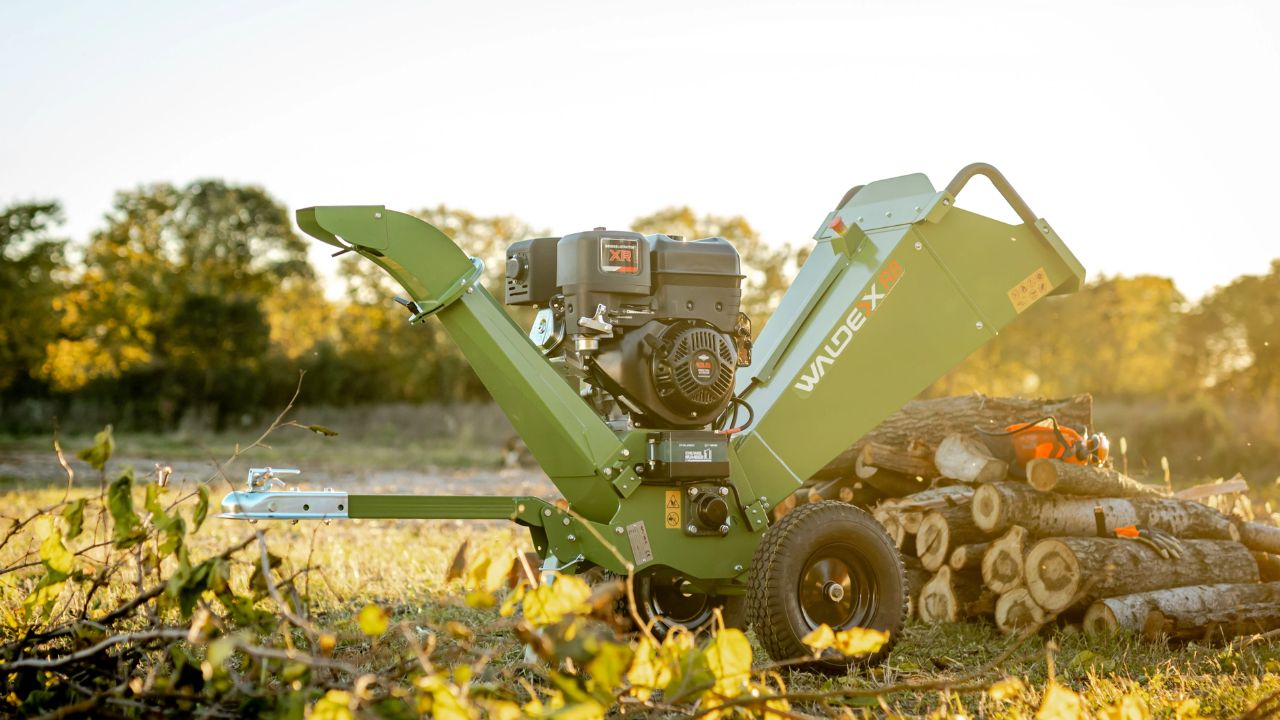
Wood chippers are significant in heavy forestry, landscape, and agricultural practices to reduce branches, logs, and organic waste to manageable chips. Productivity, operational efficiency, and cost of the project directly depend on their performance as well. In the harsh conditions of work, even the slightest alterations in the state or working of the machine can produce a sensational effect on productivity. Information on key issues that influence the performance of Wood Chipper can help in maintaining the performance of the operators and extend the equipment’s life.
Engine Power and Mechanical Capacity
The high-powered engine guarantees steady torque, which enables the chipper blades to glide through tough material. The machine has a slow processing speed and clogs easily because, in the case of insufficient engine capacity, it may not perform to its full capacity when in use. Conversely, engine power can be smoothly operated even when continuously fed due to proper matching. The proportion of the horsepower, the speed of the rotor, and the cutting mechanism define the level of efficiency of the machine to meet challenging workloads.
Safety Features and Technological Advancements
Emergency stop systems, automatic feed control, and overload protection mechanisms work to control the functioning of the machine and avoid mechanical stress. Such technologies not only improve the safety of operators but also provide uniform processing speed under varying load conditions. Moreover, more recent models can have enhanced hydraulic systems and smart monitoring devices that enable real-time monitoring of machine performance to allow operators to make correct changes in a timely manner.
Blade Quality and Sharpness
The cutting blades are very important in determining the performance of a wood chipper. In heavy-duty applications, the blades are exposed to constant hits of hardwood, dirt, and foreign objects sometimes. This leads to wear and dullness with time, hence diminishing the cutting efficiency.
Well-maintained, sharp blades enable the machine to cut material in a clean manner, which saves strain on the engine, and throughput is increased. It is important to have the blades sharpened frequently and replaced in good time to get the maximum efficiency in intensive working conditions.
Material Type and Feeding Consistency
Wood chipper efficiency is also largely dependent on the type of material with which they are working. Different mechanical processing of hardwoods, wet branches, and irregularly shaped debris have different behavioral patterns.
Typically, when operators feed material too fast or too slow, or in an uneven distribution, the chipper can be overloaded, leading to jams or poor quality output. Conversely, a continuous and regulated feeding mechanism enables the machine to have a constant cutting speed. The moisture content also influences the performance, with excessively wet material causing clogging of the system and very dry wood causing excessive dust and resistance.
Operator Skill and Handling Efficiency
Even a highly developed wood chipper will not work efficiently when it is not used properly. The direct effect of operator skill on machine efficiency, safety, and quality of output is seen. Older operators also know how to operate the feed rates, what settings to use depending on the type of material, and what warning signs are of mechanical strain.
When used in heavy-duty applications, there is a risk of inappropriate handling by overfeeding or uneven loading, which may lead to decreased efficiency and wear on parts. The competence in operation makes sure that the machine is operated at its optimal capacity range, so that its productivity is also maximized and mechanical stress is reduced to the minimum possible. Adequate training and awareness will thus be critical in ensuring a regular performance.
Environmental and Working Conditions
Wood chipper performance is also affected by external conditions like temperature, terrain, and worksite conditions. The excessive heat may lead to overheating of engines, and the cold may have an impact on fuel efficiency and hydraulic responsiveness. The unstable or uneven surface may lead to the loss of machine stability, and it may prove difficult to keep machines running consistently.
Dusty air can also affect air filters and cooling systems, causing low efficiency unless taken care of. In the case of heavy-duty work, adaptation of machine settings and maintenance schedules to the environmental conditions assists in maintaining continuous operation and increased equipment life.
Conclusion
The efficiency of wood chippers in high-intensity activities is pegged on a combination of mechanical power, maintenance steps, operator mastery, and the climate. Engine capacity, sharpness of the blades, and constant material supply determine the technical basis of efficiency, and maintenance and professional operation guarantee its long-term reliability.