Why New Stainless Steel Water Bottles Smell — and When That's a Problem
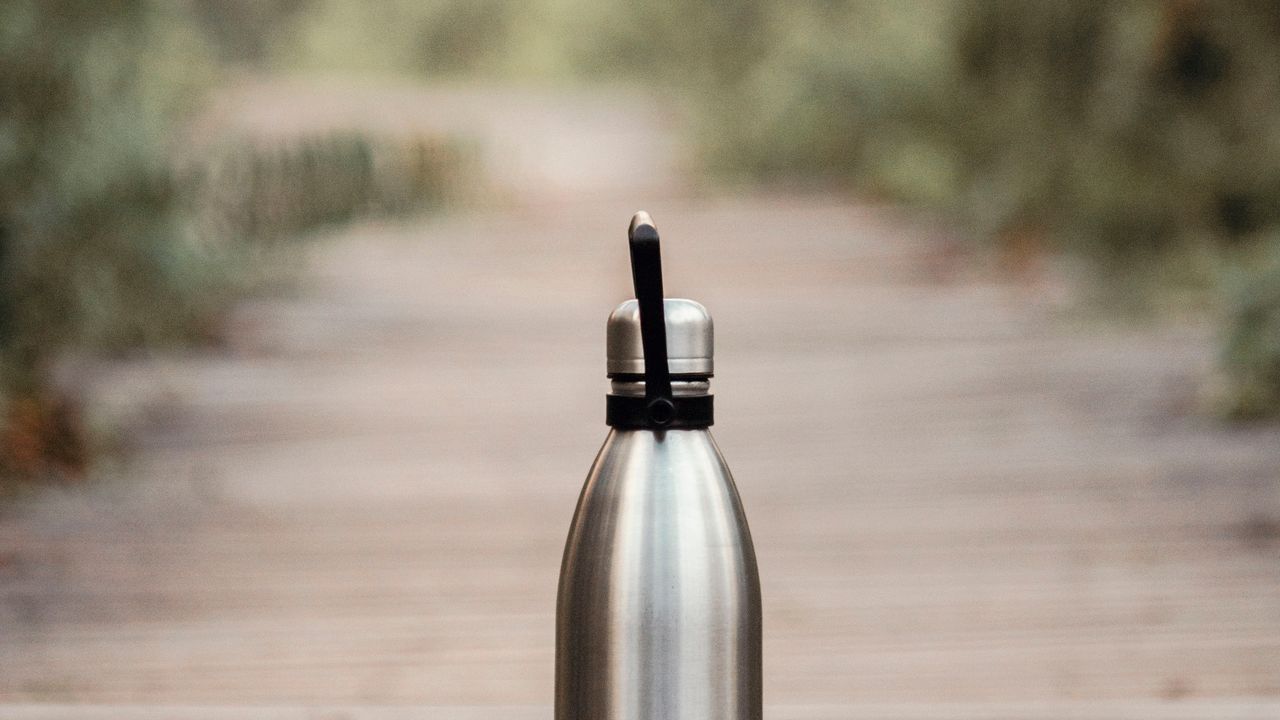
A new stainless steel water bottle that smells unusual out of the box is a common enough experience that it has its own category of user complaints online. The odor can range from a faint metallic note to a distinctly chemical or rubbery smell, and it typically prompts the same question: is this safe, and will it go away?
The answers depend on where the smell is coming from, which varies by bottle construction and manufacturing process. Understanding the sources of new-bottle odor helps buyers evaluate whether they’re seeing a normal manufacturing artifact or a quality issue, and helps manufacturers understand which process variables to control to reduce complaints.
Stainless steel itself: what the base material contributes
Food-grade stainless steel — 18/8 (304) or 18/10 — is essentially odorless under normal conditions. It’s a stable alloy with a passive oxide layer that prevents corrosion and doesn’t react with water or most beverages at room temperature. A bottle made purely from clean, well-processed stainless steel with no coatings or gaskets should impart no detectable odor to the water inside it.
The metallic smell that some users detect from new stainless bottles is usually not from the steel itself. It’s from residue on the steel surface — machining oils, drawing lubricants used during the deep-draw forming process, or handling contaminants from the production line. These surface residues are removed by the cleaning and passivation steps in a well-run production process, but incomplete cleaning leaves trace amounts that volatilize into the contents.
The first wash typically removes most surface residue, and the metallic note dissipates within the first few uses. If a metallic smell persists beyond the first few fills and thorough washes, it suggests either incomplete passivation or a surface finish issue that warrants investigation.
Exterior coatings and their off-gassing period
Powder-coated and painted bottle exteriors are common, and they’re the most likely source of a chemical smell in new bottles. The coating is applied as a dry powder and then cured in an oven, but the curing process may not fully drive off all volatile components from the coating chemistry. The residual volatiles off-gas from the exterior surface over days to weeks after the bottle leaves the production line.
The exterior coating doesn’t directly contact the beverage, so the safety question is different from an interior material — the concern is atmospheric off-gassing rather than leaching into liquid. In a closed environment (a box, a bag), off-gassed chemicals can accumulate and produce a noticeable smell when the bottle is first opened. In an open environment, the smell dissipates more quickly.
Thicker coatings off-gas longer. Some specialty finishes — rubberized coatings, soft-touch finishes, special-effect powders — use chemistry that takes longer to fully cure and off-gas than standard powder coat. Bottles with these finishes may need a longer airing period than standard painted bottles to reach a neutral odor state.
Leaving the bottle with its lid off in a ventilated space for 24-48 hours before first use eliminates most coating-related odor. This is a standard recommendation for new powder-coated bottles and is an appropriate consumer expectation for a product with an exterior finish.
The silicone and TPE gasket contribution
The lid gasket is typically the most significant source of detectable odor in a new bottle. Silicone and TPE gaskets have characteristic odors that are more noticeable when new and diminish with use and washing.
Food-grade silicone has a faint rubber-like smell that most people find inoffensive but noticeable. The smell comes from low-molecular-weight silicone compounds (cyclics and linears) that gradually migrate out of the bulk material and volatilize. Food-grade silicone is certified safe for food contact, and the smell is not an indicator of a contamination problem — it’s a characteristic of the material.
The smell intensity varies by silicone formulation and by how the gasket was processed. Gaskets that are post-cured — heated in an oven after molding to drive out volatile low-molecular-weight compounds — have significantly less odor than gaskets used directly from the mold. Post-curing is an additional production step that adds cost, and not all manufacturers include it. A gasket from a manufacturer who post-cures will produce less new-product odor than one who doesn’t, with identical material specifications.
TPE gaskets can have a more pronounced chemical smell than silicone, particularly in lower-grade formulations. The smell comes from plasticizers and processing additives in the TPE compound. For stainless steel water bottle manufacturer sourcing decisions, specifying the gasket material and requiring post-curing for silicone gaskets is a practical step that reduces new-product odor complaints without changing material safety.
Welding and forming residues
The double-wall vacuum construction of an insulated bottle requires welding the inner and outer walls together at the bottom and sealing the vacuum port. The welding process introduces heat and, in some processes, shielding gas that can leave trace residues in and around the weld zone.
The vacuum cavity between the inner and outer walls is sealed and not in contact with the beverage, so weld residues in the cavity don’t affect water contact. The interior weld bead at the base of the bottle can be a minor source of metallic odor if it’s not properly finished, but most production processes smooth and clean the interior weld to food-contact standards.
A distinct sulfurous or burnt smell — unlike the metallic or rubbery notes described above — can indicate a problem with the welding process or contamination in the weld zone. This type of odor doesn’t dissipate with normal use and washing and warrants rejecting the affected batch.
Managing odor as a manufacturing quality variable
For high-volume production, new-bottle odor is a quality variable that can be controlled through process specification. The key intervention points are: interior surface cleaning and passivation completeness, gasket post-curing specification, exterior coating cure schedule adequacy, and finished product airing time before packaging.
Finished product airing — storing assembled bottles with lids off or loosely placed for 24-72 hours before packing — is the simplest way to reduce initial odor without changing any upstream process. It’s particularly effective for coating and gasket-related odor and costs only time and storage space.
For premium products where low initial odor is a selling point, specifying post-cured silicone gaskets, low-VOC exterior coatings, and adequate finished-goods airing as production requirements, rather than leaving them to the manufacturer’s standard practice, produces consistently better results than relying on generic “food-grade materials” specifications.